The AI licensing trap

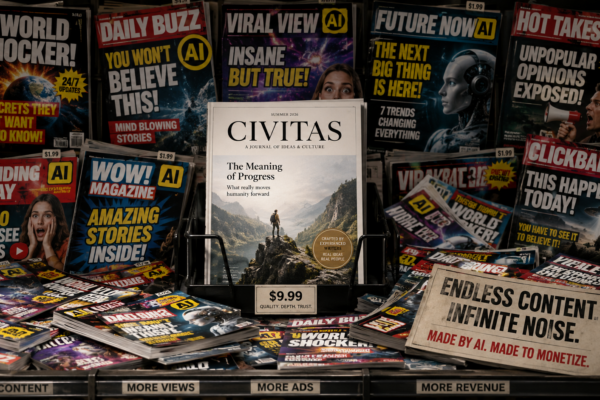
“All Your Customers Become Our Customers”: The AI Version of an Old Publisher Trap

Summary: AI licensing deals may look like easy money, but they follow a familiar pattern: platforms take content and end up owning the customer relationship. By training systems that answer questions directly, publishers risk accelerating their own replacement unless they prioritize owning the audience and protecting the content that drives their business. It’s Groundhog Day…

Read More
Greg presenting

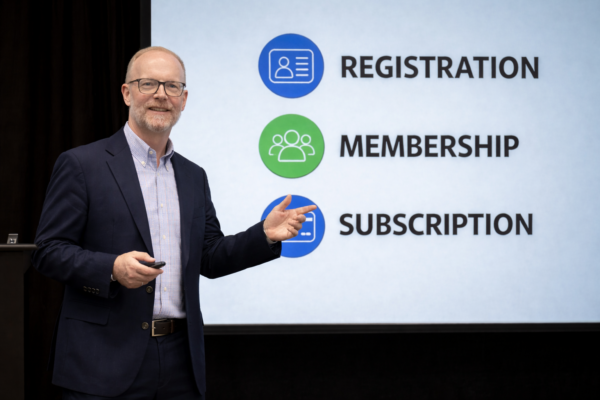
Registration, Subscription, Membership: Why Publishers Get This Wrong and How to Fix It

Summary: I re-recorded the presentation I gave at the 2026 Niche Media Conference on Registration, Subscription, and Membership. If you’d like to listen and see the slides, go to the bottom of this article. This article is based on that presentation. Most publishers today are wrestling with the same fundamental problem: search traffic is declining,…

Read More
Potter creating content

The collision of “digital first” and content management

Summary: “Digital-first” workflows often assume content is independent of format. It isn’t. The medium shapes the idea. Treating content too abstractly leads to weak results; effective publishing requires respecting the constraints and creative influence of each format. I’m afraid I misled the Chinese about publishing workflows. I’m not sure their economy will recover. A friend…

Read More
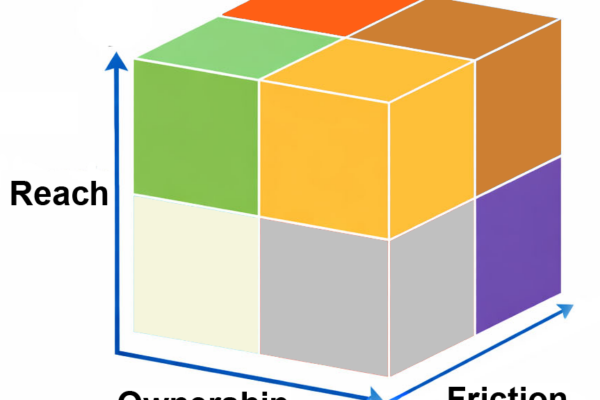
The Reach Ownership Friction matrix

The Reach–Ownership–Friction Model: A mental framework for the post-search era

Summary: Search used to give publishers reach with very little friction, even if they didn’t own the audience. Today every channel involves a trade-off between reach, ownership, and user friction, and understanding that three-way balance can help you design a smarter publishing strategy. For years, publishers could rely on search engines to deliver reach with…

Read More
Trust anchors

“Trust anchors” as a new engagement metric — A publishing lesson from the Charlie Kirk phenomenon

One overlooked aspect of audience engagement is “trust anchors” — the foundations people rely on to interpret information, such as science, authority, community, or lived experience. To get better engagement with your audience, identify and align your trust anchors with the ones used by your audience. Charlie Kirk is either a hero or a villain,…

Read More
Beowulf grappling with Grendel

What Beowulf can teach us about AI-generated content

Summary: Listening to Beowulf exposes you to “kennings,” which are vivid, unexpected expressions — usually a pair of words — that put a different spin on a name or concept. Unlike AI’s predictable phrasing, creative language like kennings breaks linguistic patterns, making content more engaging, memorable, and uniquely human. While I was heating the pan…

Read More