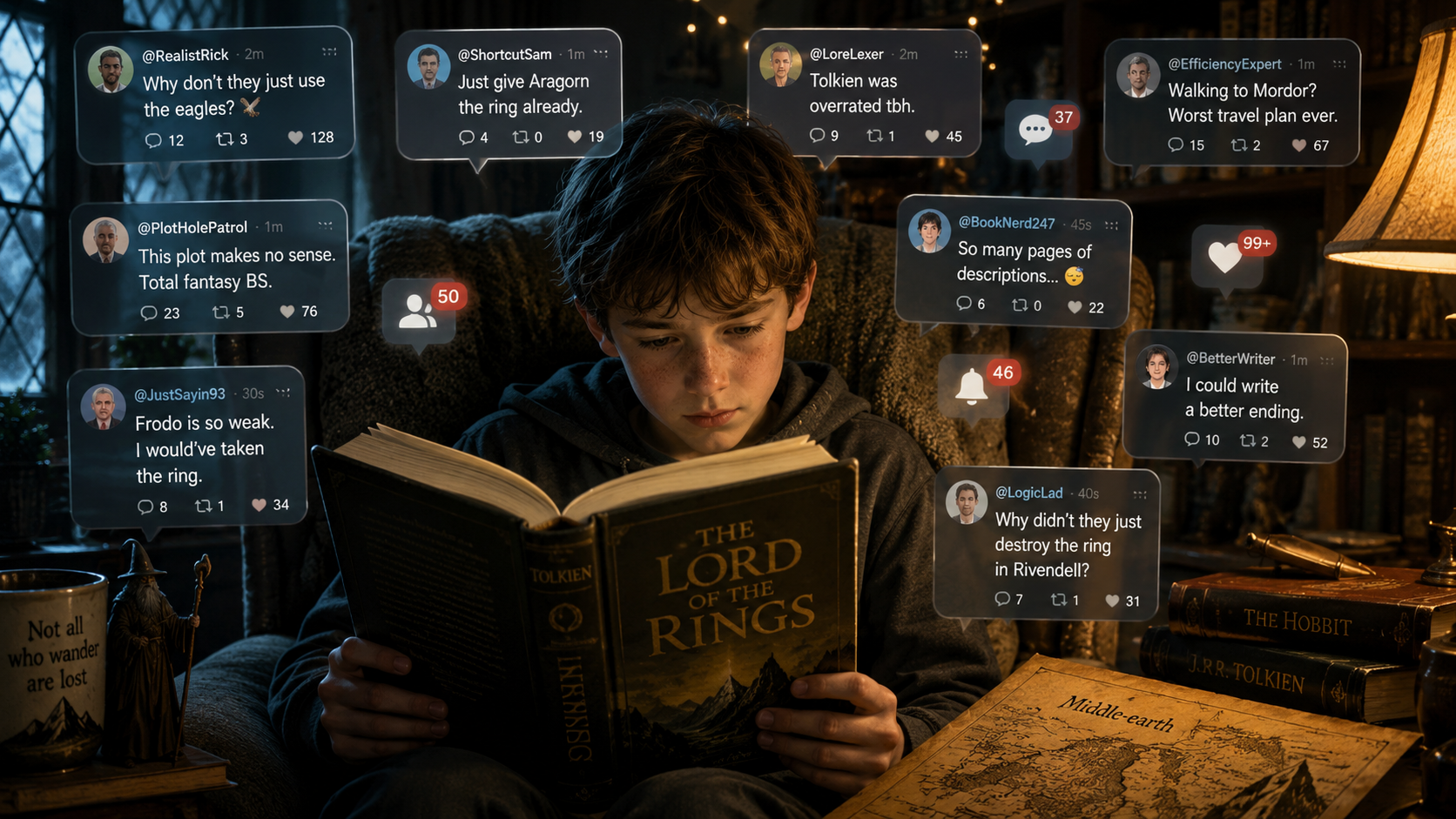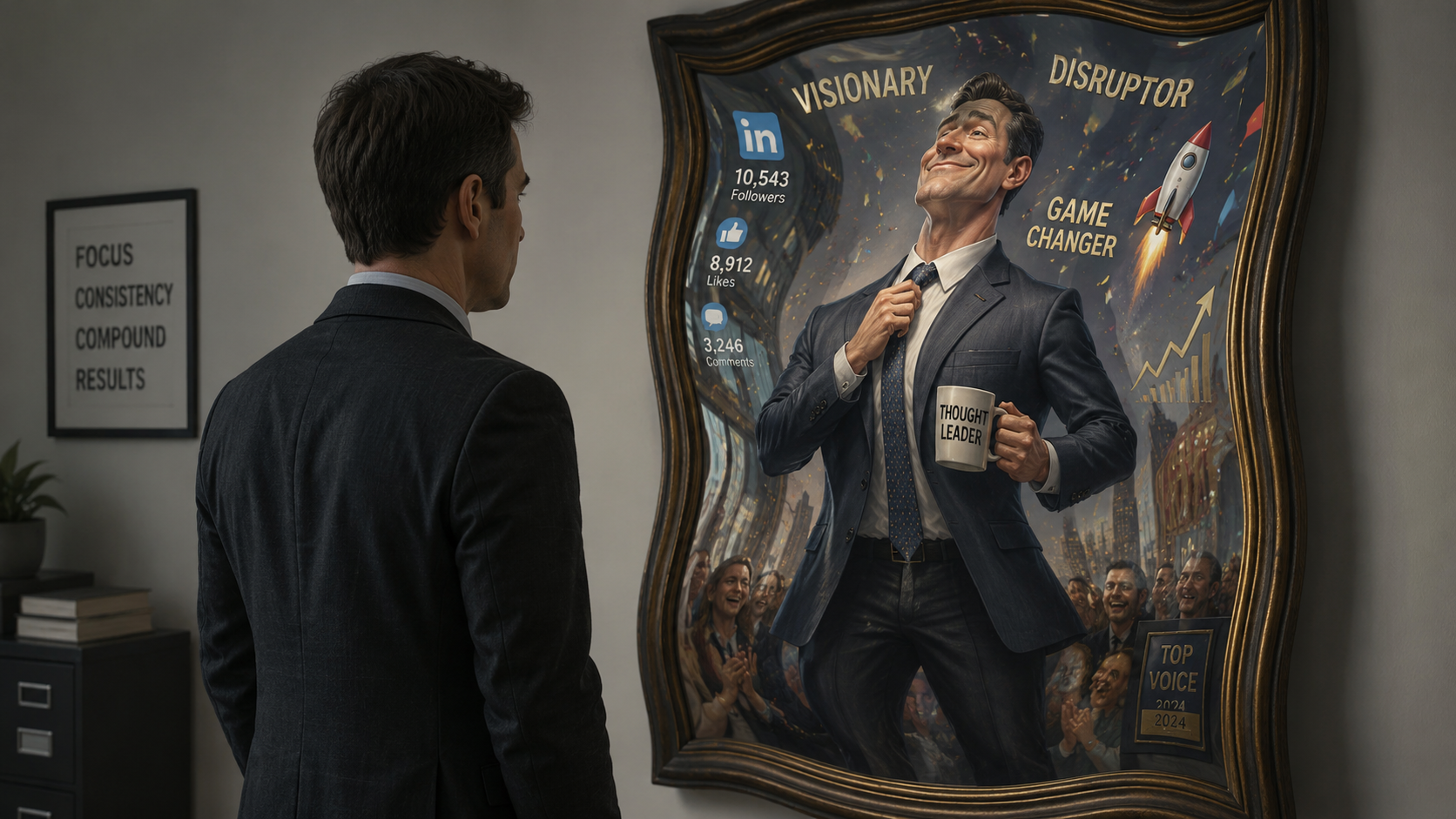
We’ve all seen the memes comparing “reality” to how things are expressed on LinkedIn.
The memes are funny, but have you thought about their deeper significance? What they are telling us?
The overarching message from these memes is that LinkedIn rewards & therefore encourages hype over substance. Optimism over sober analysis. Trend-following over strategy.
Upsides get exaggerated. Downsides are for party poopers.
It’s a vehicle for cultural synchronization around happy talk.
LinkedIn Reality
That’s no one’s fault. It’s built into the incentive structure of the platform and the way it interacts with human nature in two ways.
First, the algorithm gradually selects against ambiguity, caution, restraint, and realism in favor of the amazing and the transformative.
Second, we imitate the emotional tone of the tribe around us.
This creates a distinct “LinkedIn feel” that can be draining.
My orientation is towards long-term consequences, consistency, incentives, and real-world strategies. LinkedIn optimizes for social signaling, which is a radically different mental space.
Publishing Reality
Good publishing is not based on fluff. It’s based on a completely different set of values than what we see every day on LinkedIn. Publishers slowly accumulate trust. They form a mutual habit with their readers in a consistent, two-way conversation. There’s a kind of intimacy between the publisher and the audience.
I don’t want to overstate this, but a good publishing company slowly shapes the culture people inhabit in a positive way.
The LinkedIn Tug
Social media plays off the reality that everybody wants attention and admiration. They want their opinions to be heard and respected. But here’s the disconnect. They don’t want attention and admiration in a bubble gum, cheerleader environment where people are positioning themselves alongside the latest vibe.
LinkedIn is about ephemeral trends, likes, and bragging rights. It’s about looking good and being seen with the cool crowd. It’s a prestige environment. That has its place – in getting the word out and making connections – but it’s very phony.
The Promise and Danger of LinkedIn
I’m not trying to reform LinkedIn. It is what it is. But it’s important to know what it is.
It shines a light on trends. There’s some good advice sprinkled among the self-promoting exaggerations. But it’s mostly hype and “look at me.”
What it’s definitely not is a place for sober, sensible, long-term, structural, strategic thinking. If that’s what you’re after, look elsewhere.
LinkedIn becomes a danger when it’s treated as a representation of reality. Or worse, if it’s subtly adapting your perception of reality to match its artificial emotional tone.
The Carousel Trap
Is the “hurray for new stuff” mentality of LinkedIn clouding your ability to think clearly and strategically about a new technology or trend?
One thing that’s trending right now on LinkedIn is breaking up content into carousels. It reminds me a bit of the slide-show days on websites, where everything had to be converted into a slideshow to get more page views and ad impressions.
That was a useful trick to increase short-term ad revenue, but was it the best way to increase trust and the perception of value? Or did it artificially force your content into the wrong wrapper?
LinkedIn delivers a steady stream of super-hyped and emotionally charged solutions every day. Look at them the way you read an advertisement, and make sure your daily diet includes long-form, thoughtful analysis – the type of content that is not rewarded by a hype-first algorithm.