[This is the main article from the August issue of The Krehbiel Letter.]
I keep hearing that AI will steal jobs, but also that AI-generated content is substandard, and humans are still better at …. something. That’s the theme of this month’s issue. Where do humans fit in as AI takes over?
Hope for humans in an AI-dominated industry
Throughout my career in publishing, technology has been the constant companion that has shaped the development of the industry. Desktop publishing, laser printers, the internet, email, PDF, search engines, blogging platforms, social media, paywalls, and now AI. New technology always both expands and limits the focus of publishing strategy.
If I may borrow a saying, “If your only tool is PageMaker, every publication starts to look like a church newsletter.” Adopting a technology has consequences. SEO makes headlines look like clickbait. A/B testing makes every title feel like a trick.
As Thomas Sowell might say, every technology “solution” is a trade-off.
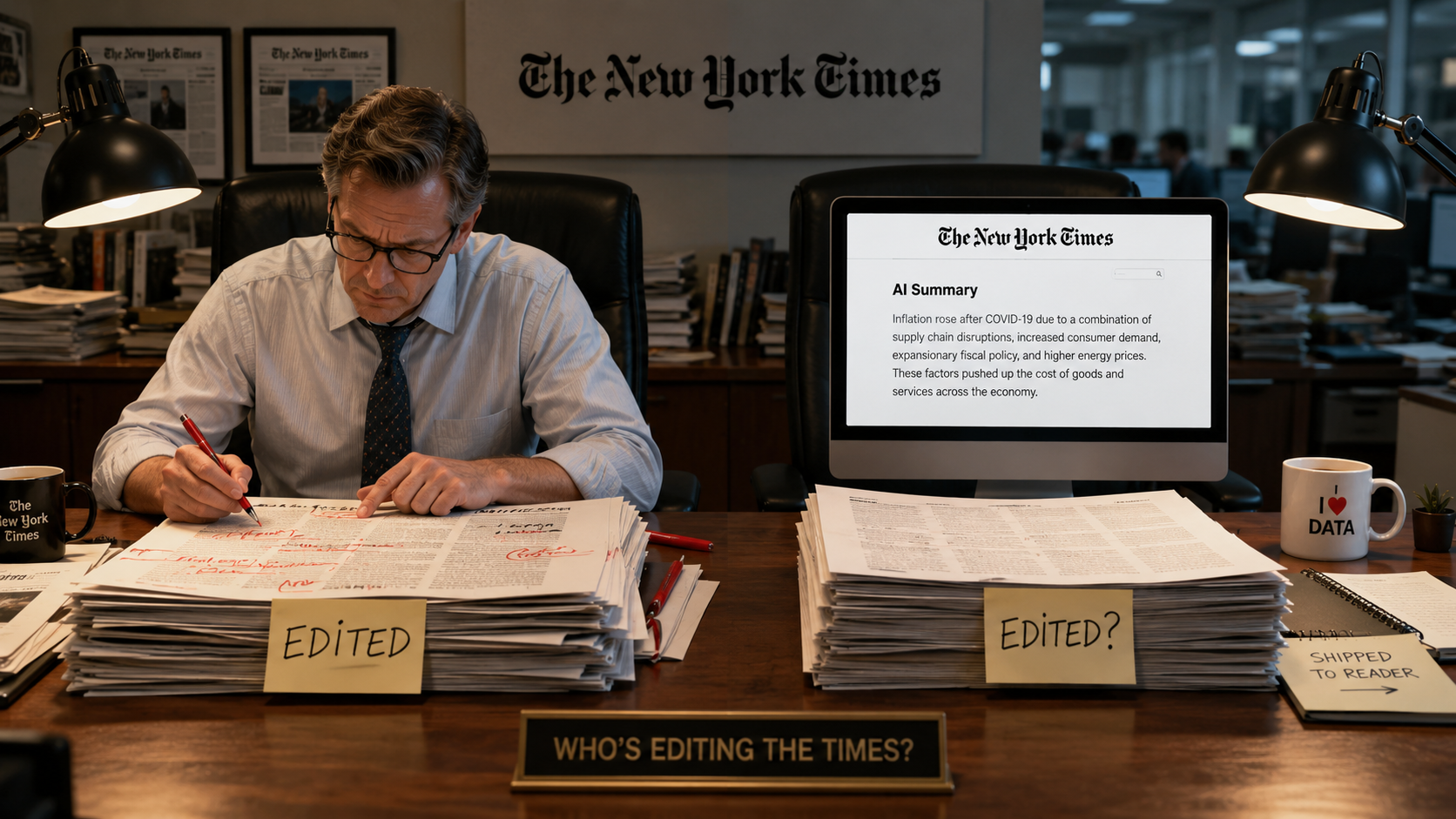
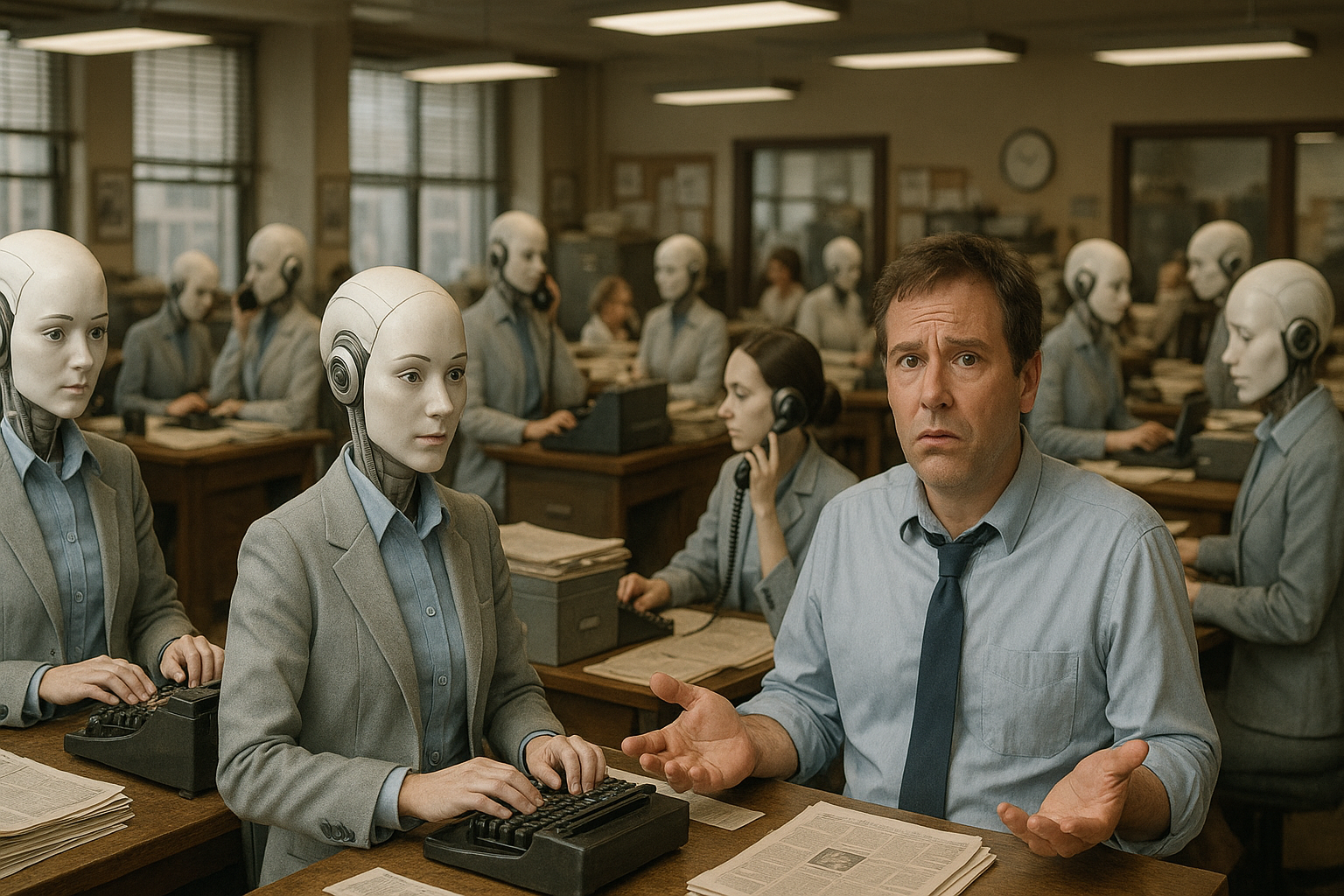
AI-generated content is the biggest tech threat to publishing ever. It threatens a full-scale transformation of the industry. It promises speed, scale, personalization, and automation like nothing we’ve seen. And it’s displacing human workers in the process.
If every previous technology brought both benefits and a narrowing of focus, what’s at stake now? What might we lose in an AI-dominated world, and more importantly, what opportunities might that create? What value can humans bring to publishing that AI can’t?
The engagement trap
Engagement is one of the key metrics in modern publishing. Content is geared towards keeping people on the screen because that’s how modern content monetization works. Snickers satisfies, but bite-sized, SEO-optimized content is designed to keep you glued to your device and wanting more. You can spend an hour completely “engaged” with your phone and come away with nothing but an eye-strain-induced headache and a sore neck.
TikTok is supposed to be genius at this, and as other AI systems learn the same tricks, content will be produced at light speed, segmented, optimized, and psychologically tuned to keep the user mesmerized – but never satisfied.
What can humans do? We can deeply understand the user’s pain points and address them using a multi-disciplinary toolbox. That may include AI tools, but it will be at the service of the customer and not the algorithm.
A human view of content
Why is browsing a used bookstore relaxing while “doom scrolling” is exhausting? Because the used bookstore aligns with your humanity. It’s an embodied, bounded experience that includes tactile and visual stimulation in a physical location. In a bookstore, you seek content on your own terms. It’s not fed to you. And it’s not constantly interrupting your attention with calls to action.
Scrolling is an endless feed that plays off emotions (like outrage) to exploit your attention and keep your eyes and fingers captive. It’s not very human.
Digital content delivery is orders of magnitude more efficient than print, but maybe only if you’re viewing “content delivery” from a very narrow, functional point of view, like “getting words to eyeballs.” “Content” is more than just the words. There’s a context to content that includes …
- Physicality. The tactile pleasure of flipping through a magazine or book – which is also closely correlated with comprehension and retention, by the way.
- Locality. A reader may want different things when he’s in a doctor’s office, a tree house, a cabin, or an airplane.
- Authority. The author, editor, or publisher might be regarded as an arbiter of taste, moderation, prudence, or wisdom. That role might not fit with content that’s measured by SEO, click-through rates, and algorithms.
- Community. Meeting an author in person at your local coffee shop is a very different experience from watching his YouTube video.
- Serendipity. The surprise and joy of the unexpected.
Traditions, customs, and habits change, as they should, but a digital content-based approach to communication can leave behind some important elements of meaning, context, and purpose.
What can humans do? View your message in a holistic context that aligns with the humanity of your reader. Don’t artificially narrow your options by forcing everything through a digital lens or forcing everything onto a device.
Leave nostalgia behind
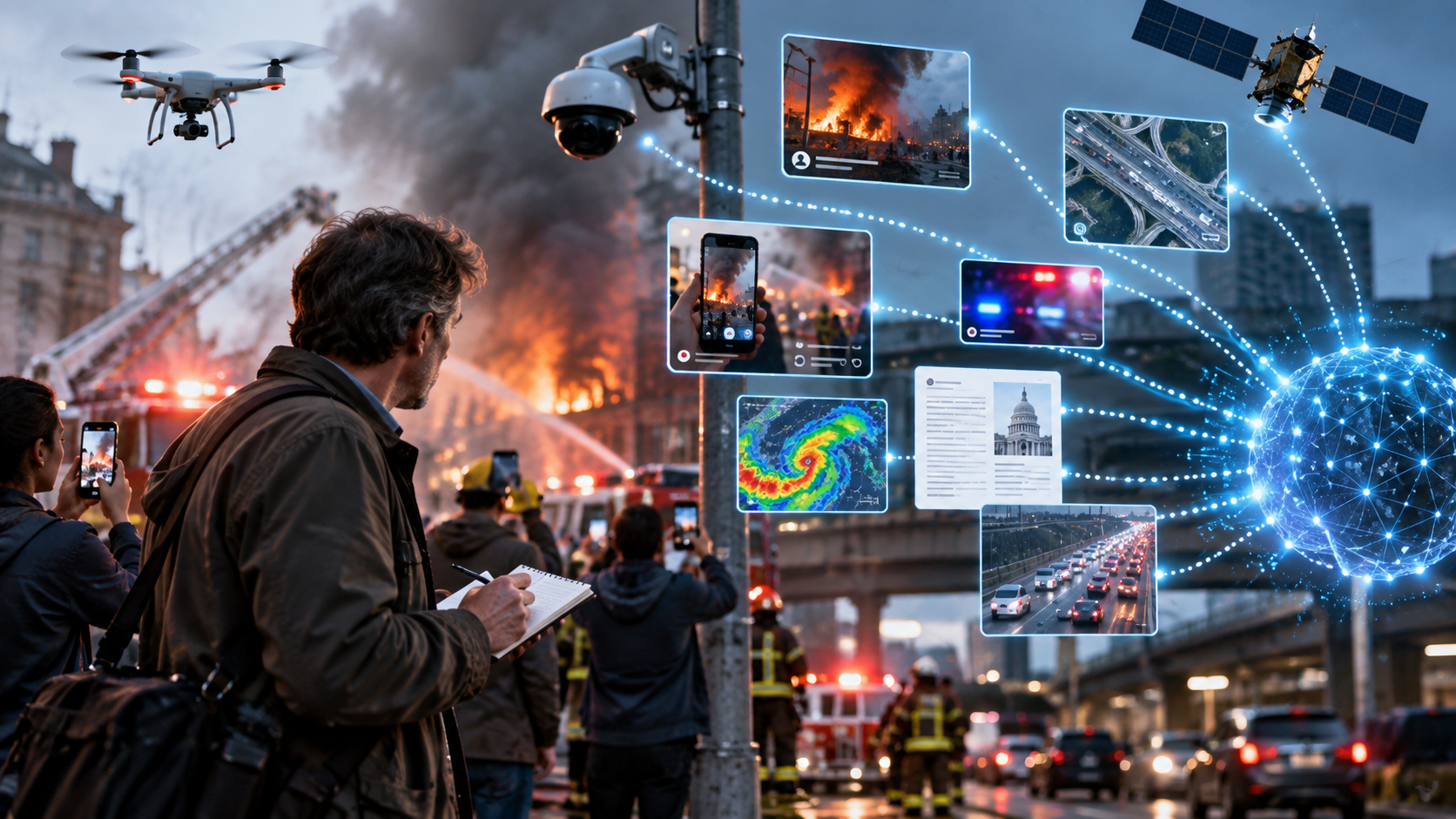
Let’s be clear: AI is not a fad, and it’s not going away. It will become the default engine behind most content production. It will be invisible and omnipresent. News briefs, summaries, blog posts, press releases, product descriptions, even books and screenplays will be increasingly generated by machines.
In many cases, that will be an improvement. AI excels at predictable, structured, templated work. It can crank out surface-level content at massive scale. It will make some parts of publishing faster and cheaper, which will deliver value at scale.
But because of that very ubiquity, the space for human work becomes more precious.
The niche becomes the differentiator
When mass-produced content is everywhere, the rare thing is not quantity, but craft, authenticity, and insight based on human experience.
That’s the opportunity. We don’t need to fight against AI with pitchforks (at least I hope not), but we do need to double down on what AI can’t convincingly do, which includes …
- Human presence: An in-person event. A phone call. A handwritten note. A real conversation.
- Embodied experiences: Live readings, workshops, studio recordings, meetups, or print magazines.
- Emotional resonance: Stories that tap into experience, voice, or emotional depth.
- Moral judgment: Decisions based on ethics, nuance, and wisdom, not just data.
- Taste and curation: Selecting and elevating what ought to matter, not just what already trends.
These aren’t just artistic luxuries. They’re strategic advantages.
Making the business case for the human touch
How do we pitch a human approach to content creation when publishers are watching their margins erode and their audiences scatter? AI can seem like a godsend for the bottom line.
Consider a book tour. Flights, hotels, and meals are expensive. It’s not unreasonable for a publisher to insist that the “tour” be done virtually.
There’s no question that is a more efficient and cost-effective way to reach people, but it may be less effective in ways that don’t show up on a spreadsheet. Can we make the case for human interaction?
Maybe. What would that case look like?
- Depth over reach: A $5,000 book tour might only reach 100 people, but if 50 buy the book and 20 become lifelong fans who promote it, the long-term revenue could justify the cost.
- Durability of impressions: Real-world encounters stick in the memory. Digital encounters are forgettable.
- Multi-channel payoff: A physical tour can generate video clips, behind-the-scenes posts, and user-generated content that fuels online engagement.
- Relationship-building: Events build loyalty among indie bookstores, influencers, and communities that drive organic sales.
- Author-as-brand investment: Readers want to know the person behind the book. In-person encounters build that brand.
The ROI is networked, not linear. And in a world where everyone is playing the same efficiency game, the human strategy can be a point of differentiation.
Redesigning the future
We don’t want a war between AI and humans any more than we want a war between print and digital. Each have their place. The trick is to know when to pull which lever.
So what does the human side of publishing look like? Here are some possibilities.
- Boutique print magazines that become cultural artifacts, not disposable content.
- Handmade newsletters that show a little craft and evoke letters from readers.
- Events as publishing: turning readings, conversations, or gatherings into the content itself.
- Local storytelling initiatives that reconnect media with place.
- Hybrid authors who use AI as a tool but preserve their voice, personality, and intentionality.
- Mentoring programs where experienced authors teach aspiring writers how to pass along the craft while still benefiting from AI tools.
- Micro-publishing collectives that prioritize craft, community, and meaning over scale.
- Connection with experts who have a unique (and maybe controversial) message, and not the bland probabilistic averaging you get from AI.
We don’t want to rebel against progress. We want to embark on a path that recognizes there are elements to “content” that can’t be digitized.
Conclusion: A fork in the road
Publishing is at a crossroads. One path is easy, optimized, and automated. It leads to more content, faster, but it also leads to disconnection, sameness, an erosion of trust, and the loss of the human element.
The other path is slower and less scalable, but more meaningful. It doesn’t reject technology. It uses it wisely but doesn’t bow to it or reduce everything to what tech platforms can measure. It recognizes that interpersonal connection can be a component of “content.” That value isn’t always measurable in CPMs, clicks, or pageviews. Sometimes we need a voice, a face, a body, a location, and a soul.