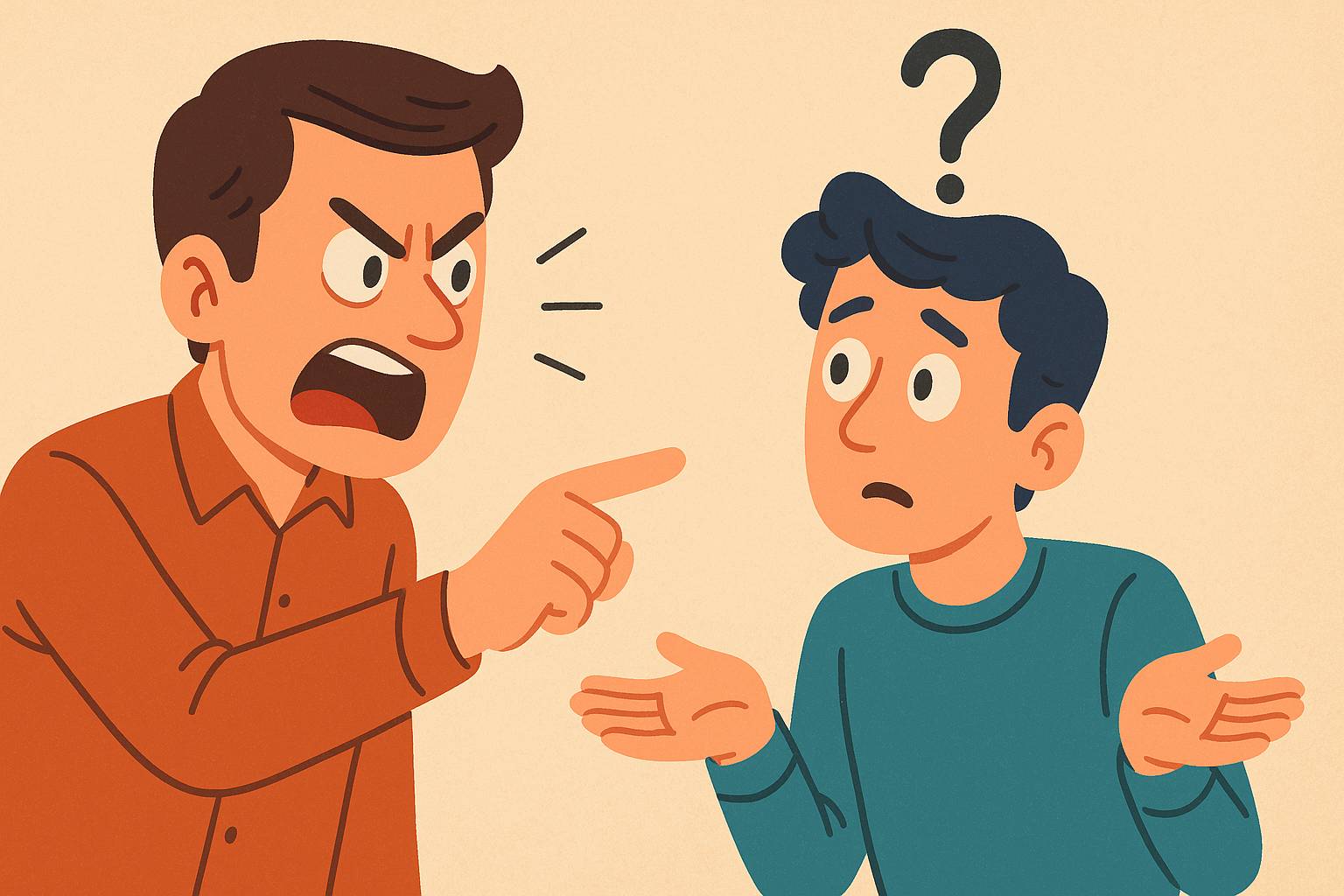
Our third child was born with a broken collar bone. I was sure it was because the doctor was a little too aggressive in trying to get her out, and I was angry about it.
Then I had a chat with a nurse friend. She said, “You don’t know what that doctor has been through today. She might have lost a child or a mother because she didn’t take more aggressive action.”
“And besides,” she said, “a broken collar bone is no big deal in a newborn. It will heal quickly.”
And so it did.
I remembered that incident yesterday when a friend read a lot of backstory into one of my posts on LinkedIn.
I was curious about the Cracker Barrel logo redesign and asked why all the recent logo redesigns have seemed so awful. (Jaguar was probably the worst!)
My friend had been reading stuff I knew nothing about. Apparently social media had turned this redesign into a commentary on wokeness. There were comparisons to the Bud Light fiasco, and calls for the CEO to resign. My friend thought my post was following in that theme, but of course it wasn’t because I didn’t know anything about it.
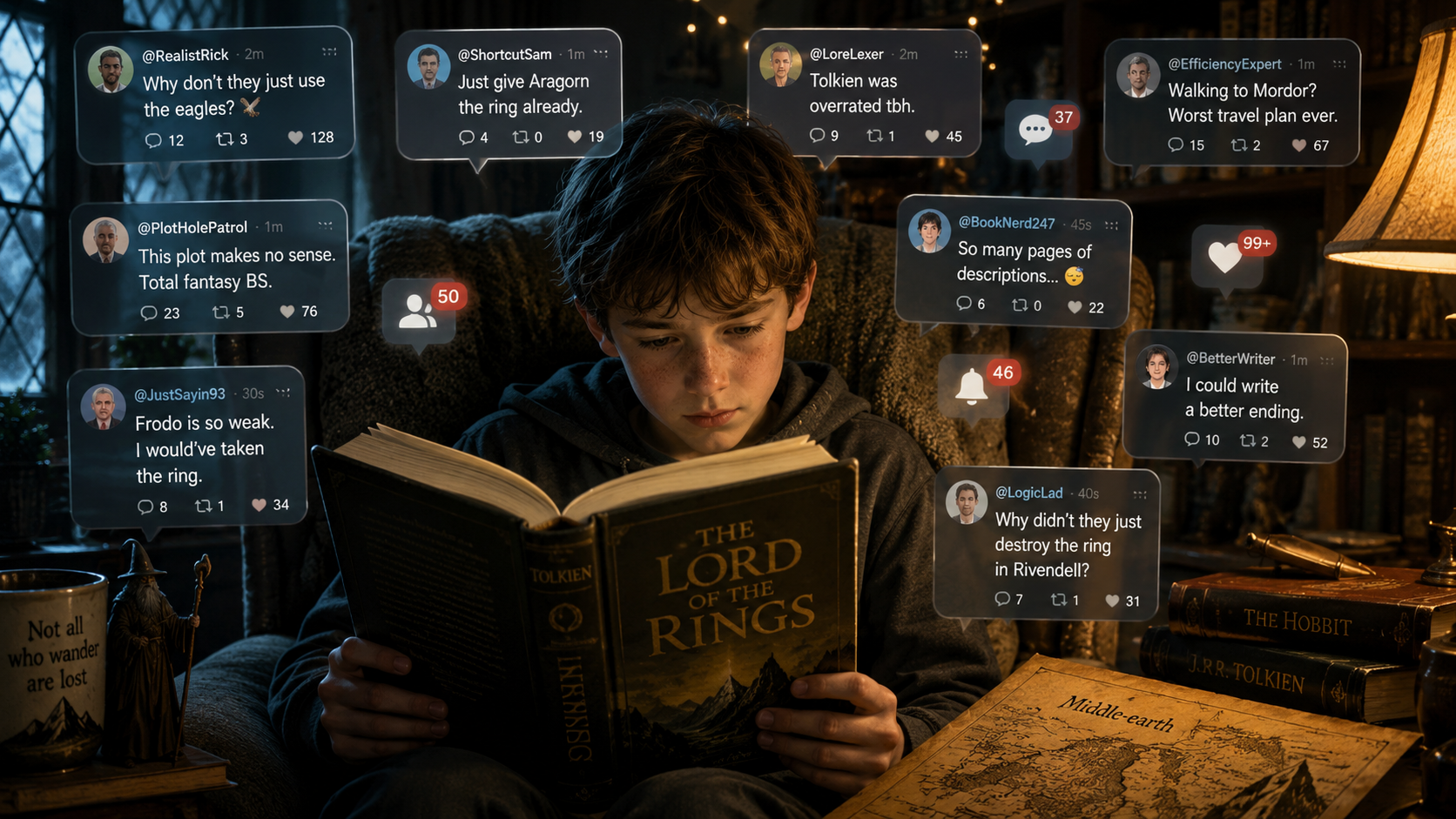
This reminded me that when I post something to social media, I’m taking part in a broader conversation — whether I know it or not. My post might exist in a context I’m not aware of.
Just as I didn’t know what that doctor had been through that happy day my child was born, we usually don’t know what other people are assuming, or what context they’re coming from. We can easily read what they say in the wrong context.
That means we need to show some grace — in both directions.
First, if someone seems to be reading more into your post or comment than you intended, there might be a reason for that. You might have stumbled into an argument you didn’t even know was happening.
Second, we shouldn’t assume that we know the context of an individual post or comment. Maybe the author knows nothing about the context we’re assuming, or maybe there’s a completely different context going on out there in some other space.
From time to time I hear people say things like “the Internet exploded,” or “the Internet hated that.”
No. The part of the Internet you live in might have tended in a particular direction, but it’s a big world out there and we don’t all live in the same virtual space. We need to keep that in mind when posting and when reacting.
P.S. — It may be that brands are moving to simpler logos so they can appear in multiple formats and in different places, like on your phone. But I still think the Jaguar redesign was a mistake.
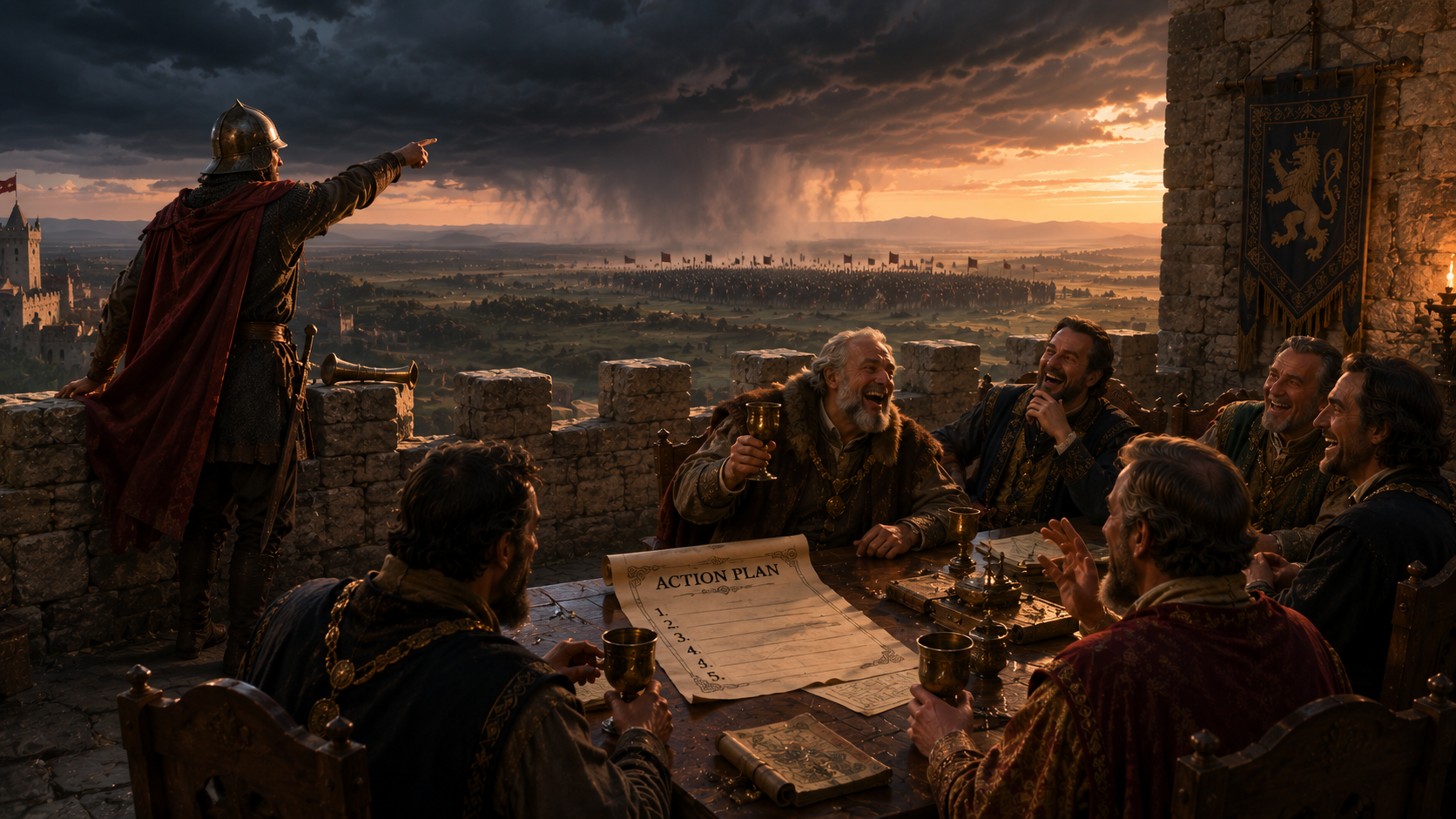
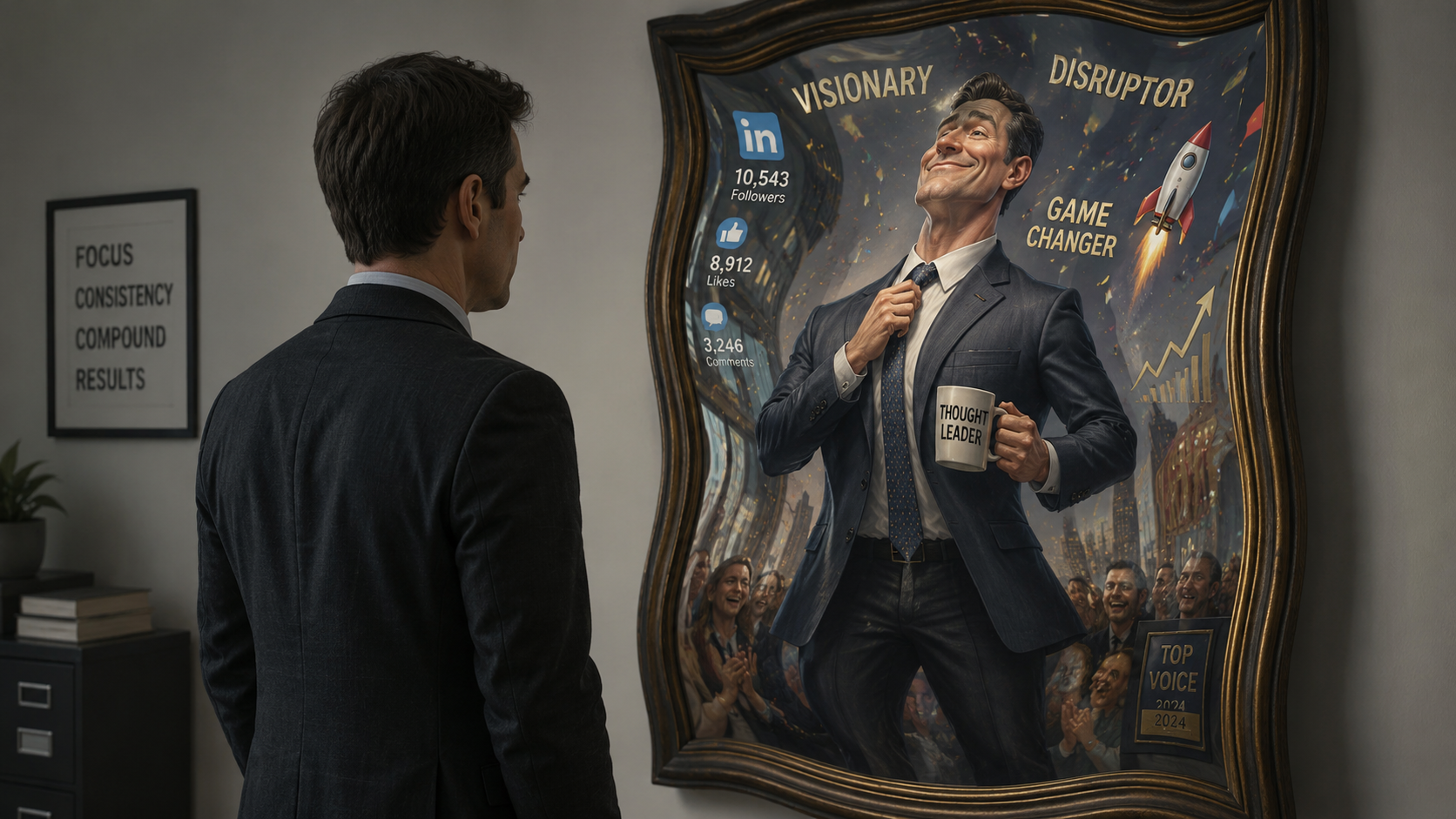
Greg, good perspectives. Two of the teachings in all of my classes are don’t make assumptions and don’t judge until you understand the context of the situation.
Great observation. Context (not content) is king.
I try to be sensitive to uncovering what I don’t know I don’t know… which is always what catches you!
And the response is… grace! Amen to that! haha
Interesting post Greg. “The people of internet” have a lot of power to shape opinions in a way they did not before the internet. Before the rise of social media, people would have a personal preference for a company’s simplification of its logo, but they would not have stopped patronizing it, and it would not have an effect on its stock price. Now, culture is increasingly shaped online, and quickly. In any case, your point about being attentive to contexts you may not know about, is a good one.